
Top 5 Smart Sleep Gadgets That Actually Help (2025 Edition)
The Sleep Crisis We’re All Living Through
You’re not imagining it — sleep really has gotten harder. Despite all the wellness content, guided meditations, and “digital detox” tips, many of us still lie awake, overstimulated and overtired.
In 2025, it’s no longer just a matter of going to bed earlier. Roughly 70 million U.S. adults now live with a diagnosed sleep disorder, and nearly half the population reports rarely getting restorative sleep. Among Gen Z, sleep anxiety is skyrocketing — nearly 40% say they feel anxious about sleep multiple times a week. Our bodies are overwhelmed by stress, our circadian rhythms are broken by screens, and our minds simply can’t switch off.
Yet oddly enough, some forms of tech may now be the key to undoing the damage caused by… well, other tech. A new generation of smart sleep gadgets isn’t just tracking our rest — it’s actively helping us sleep better through scientifically validated interventions. From wearable neurostimulation to circadian light therapy, the future of sleep is getting smarter — and more personalized.
Let’s explore five gadgets that actually work — not hype, not gimmicks — backed by real data, human stories, and the kind of quiet innovation that feels more like care than disruption.
Why It Matters Right Now (in 2025)
The global sleep disorder market reached $27.6 billion in 2024 — and is projected to grow over 10% annually for the next decade. But this growth isn’t just commercial. It reflects a cultural reckoning with how deeply sleep impacts everything: our mood, metabolism, mental clarity, even our long-term health.
Validated smart sleep gadgets are starting to outperform old-school remedies — offering adaptive, non-invasive, and drug-free support tailored to modern sleep struggles. In a world that’s always on, these devices are learning to help us turn off.
Categories & What They Do Best
Each gadget below belongs to a specific category of intervention. Here’s a quick breakdown:
| Category | Gadget Example | Best For |
|---|---|---|
| Stress & Relaxation | Therabody SmartGoggles | Evening wind-down, anxiety-induced insomnia |
| Neurostimulation Therapy | Modius Sleep | Chronic insomnia, circadian misalignment |
| Precision Tracking | Oura Ring Gen 4 | Data-driven wellness optimization |
| Thermal Regulation | Eight Sleep Pod 4 | Hot sleepers, temperature-sensitive waking |
| Circadian Light Therapy | Hatch Restore 3 | Routine building, screen-time reduction |
Let’s unpack each one with real data and real use cases.
1. Therabody SmartGoggles (2nd Gen)
Relaxation-driven sleep prep that actually works
Best for: Evening stress, anxiety-related insomnia, and pre-sleep calm
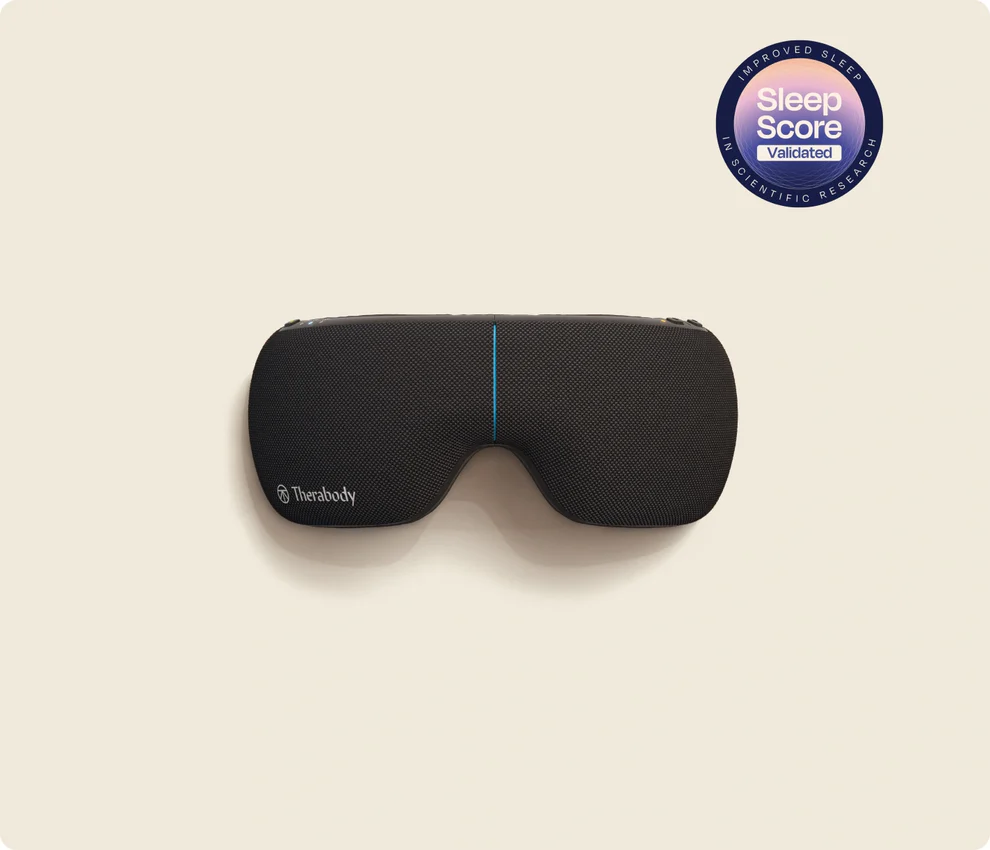
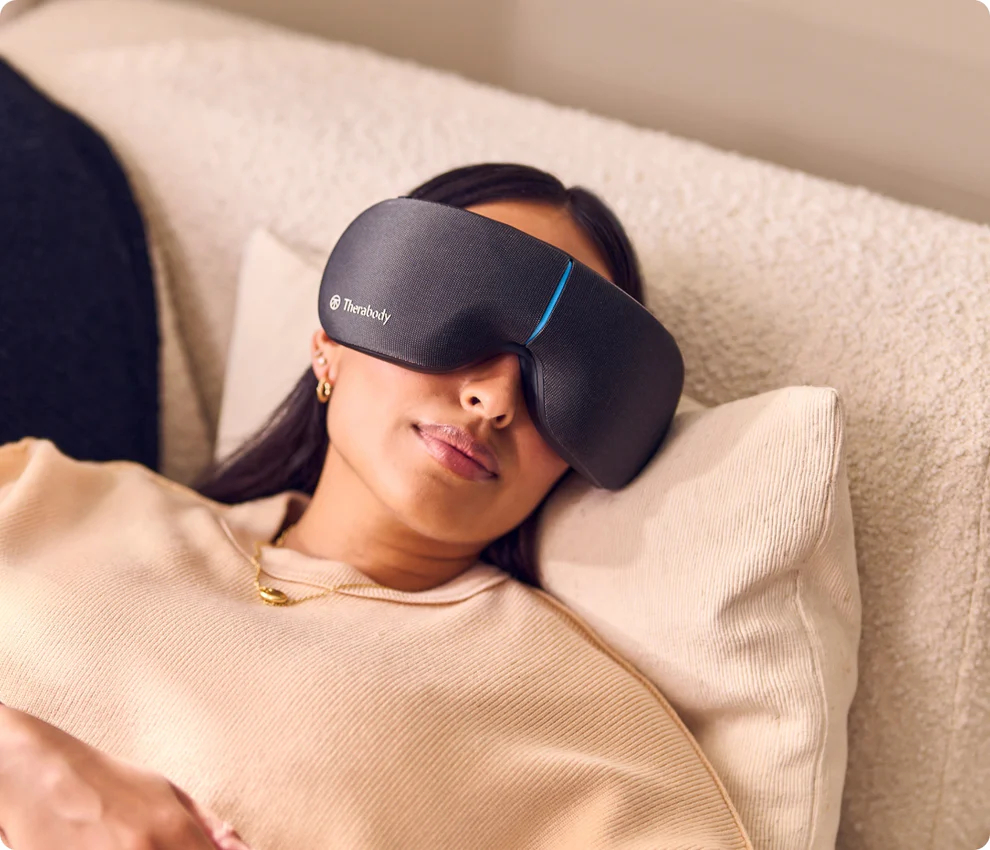
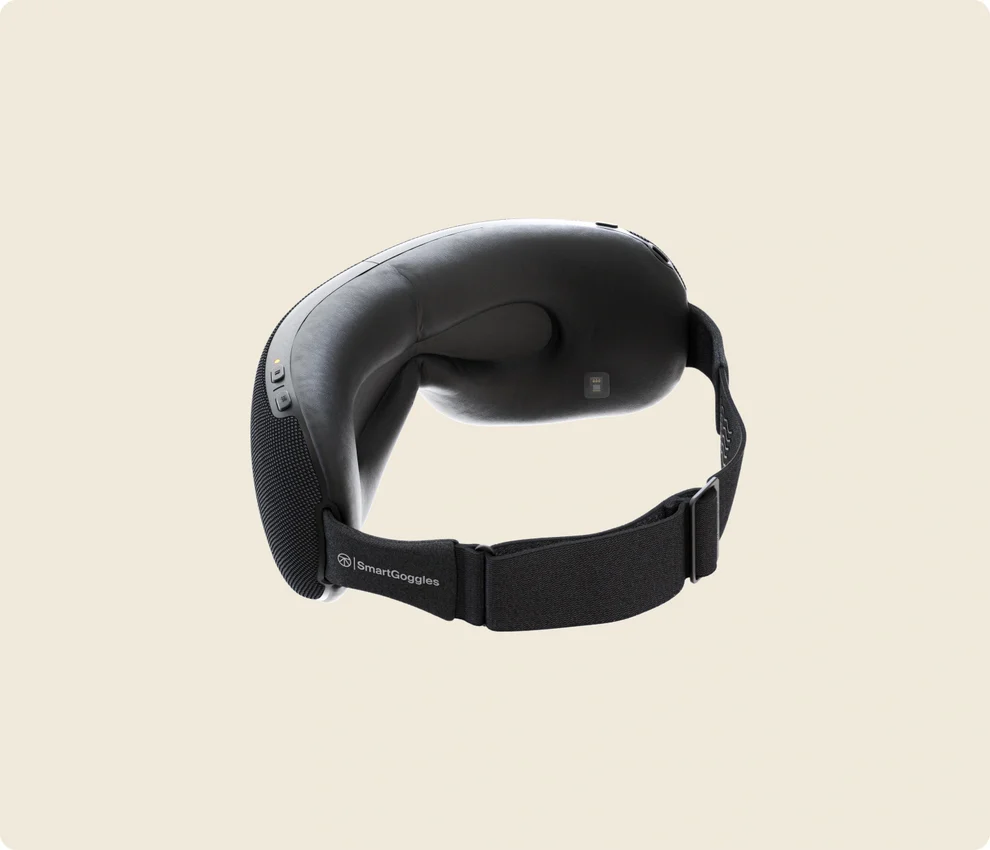
Images: Therabody official site
These aren’t your average sleep masks. The second-generation SmartGoggles combine compression massage, vibration, and gentle heat — guided by biometric sensors that detect your heart rate. They actually sync their pulse to beat lower than yours, subtly calming your nervous system as you prepare for bed.
In a major validation study, users showed:
- 19% more relaxed before sleep
- 82% reported reduced stress
- 71% had lower anxiety levels
- Longer deep sleep and less night-time waking
While it can’t be worn overnight, a simple 15-minute session before bed was enough to measurably improve sleep onset and quality. And you can wear it while listening to a podcast, reading, or journaling.
- Pros
✅ Validated by clinical trials
✅ Helps regulate pre-sleep stress response
✅ Comfortable and blackout-ready
✅ Works while multitasking - Cons
⚠️ Not for overnight wear
⚠️ Needs consistency for best results
Price: $200–250
2. Modius Sleep
Neuroscience meets non-pharmaceutical insomnia treatment
Best for: Chronic insomnia, medical-grade support without meds
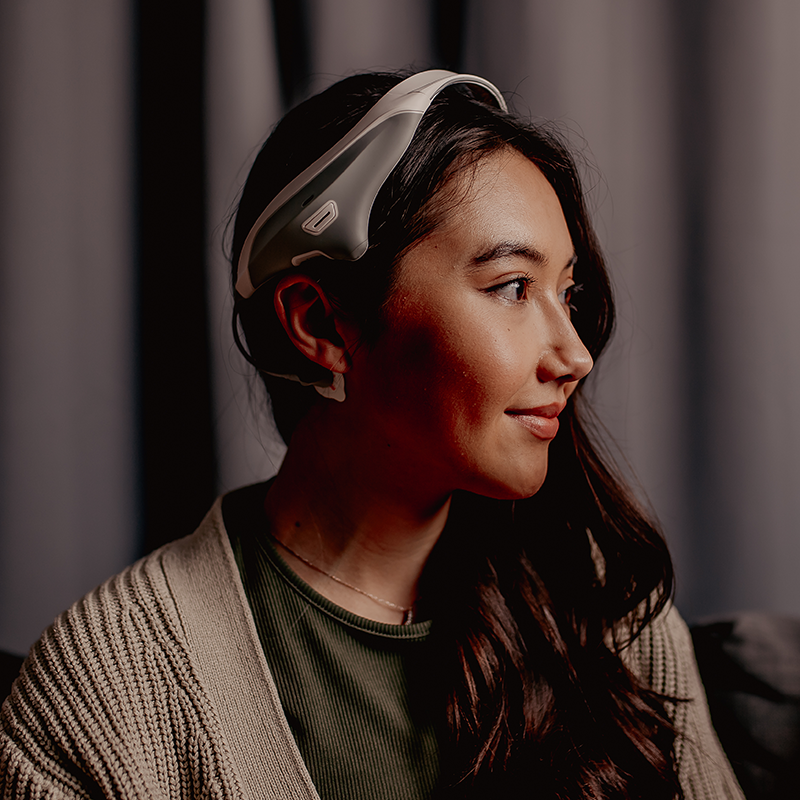
Image: Modius official site
Modius Sleep is one of the most medically sophisticated consumer sleep devices available. It’s FDA-cleared, prescribed by physicians, and uses electrical vestibular stimulation — a non-invasive current that targets brain regions responsible for sleep regulation.
In clinical trials across the UK, Ireland, and Hong Kong:
- 95% of users improved sleep within 4 weeks
- Significant reduction in insomnia severity vs placebo
- Especially effective for neurologically driven insomnia
It’s not cheap — and it requires 30 minutes of daily use with electrode pads behind the ears — but for those struggling with severe sleep disruption, it offers a science-backed alternative to medication.
- Pros
✅ FDA-cleared medical device
✅ Targets underlying causes of insomnia
✅ Non-invasive, screen-free use - Cons
⚠️ Requires prescription
⚠️ Expensive
⚠️ Not ideal for light or situational insomnia
Price: ~$1,185
3. Oura Ring Gen 4
The quietest, smartest sleep tracker — now even more precise
Best for: Data lovers, long-term health optimization, recovery insights
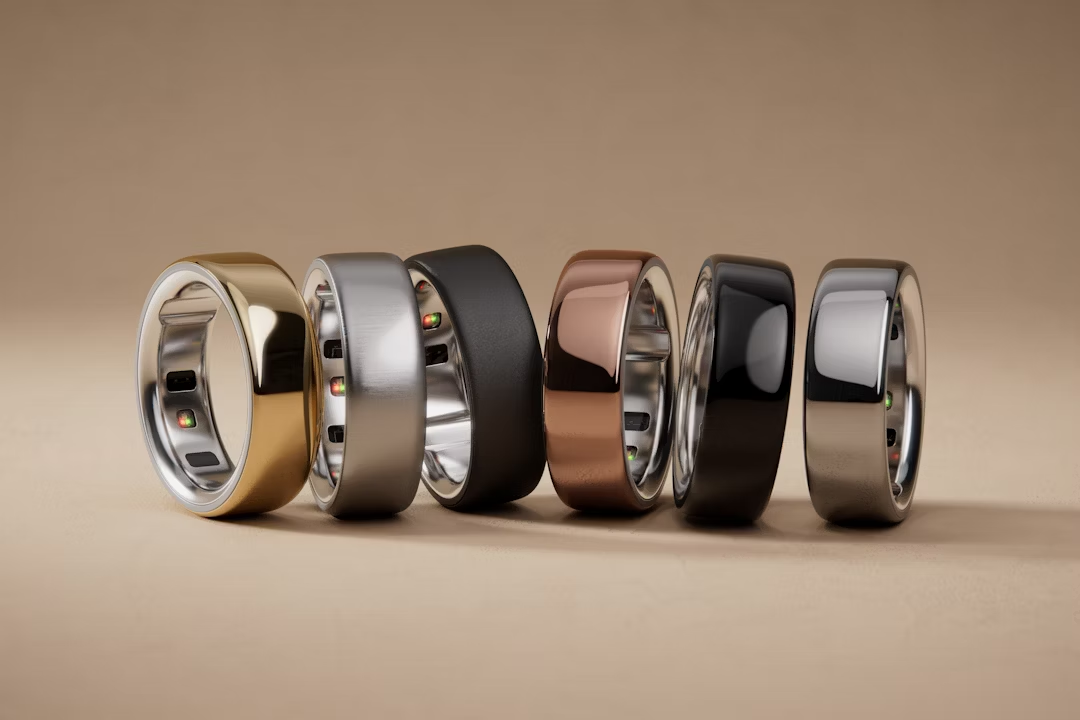
Image: Oura official site
Oura has long been a leader in wearable wellness tech, but the Gen 4 model steps things up with even greater accuracy and comfort. It monitors over 20 biometrics, including:
- Sleep stages (light, deep, REM)
- Heart rate variability (HRV)
- Temperature fluctuations
- Readiness score via AI insights
Scientific validation places Oura among the most reliable consumer-grade trackers:
- 99.9% accurate RHR vs ECG
- 98.4% accurate HRV
- 79% sleep stage match vs polysomnography
While Oura doesn’t intervene in sleep directly, it offers powerful feedback that can help users shape healthier rhythms over time.
- Pros
✅ Ultra-precise tracking
✅ Stylish, subtle form factor
✅ 8-day battery life
✅ Extensive validation - Cons
⚠️ Subscription required
⚠️ No direct sleep intervention
⚠️ Pricey in the long term
Price: $299–399 + monthly subscription
4. Eight Sleep Pod 4
Temperature-smart mattress cover that changes as you do
Best for: Couples with different heat preferences, hot sleepers, REM optimization
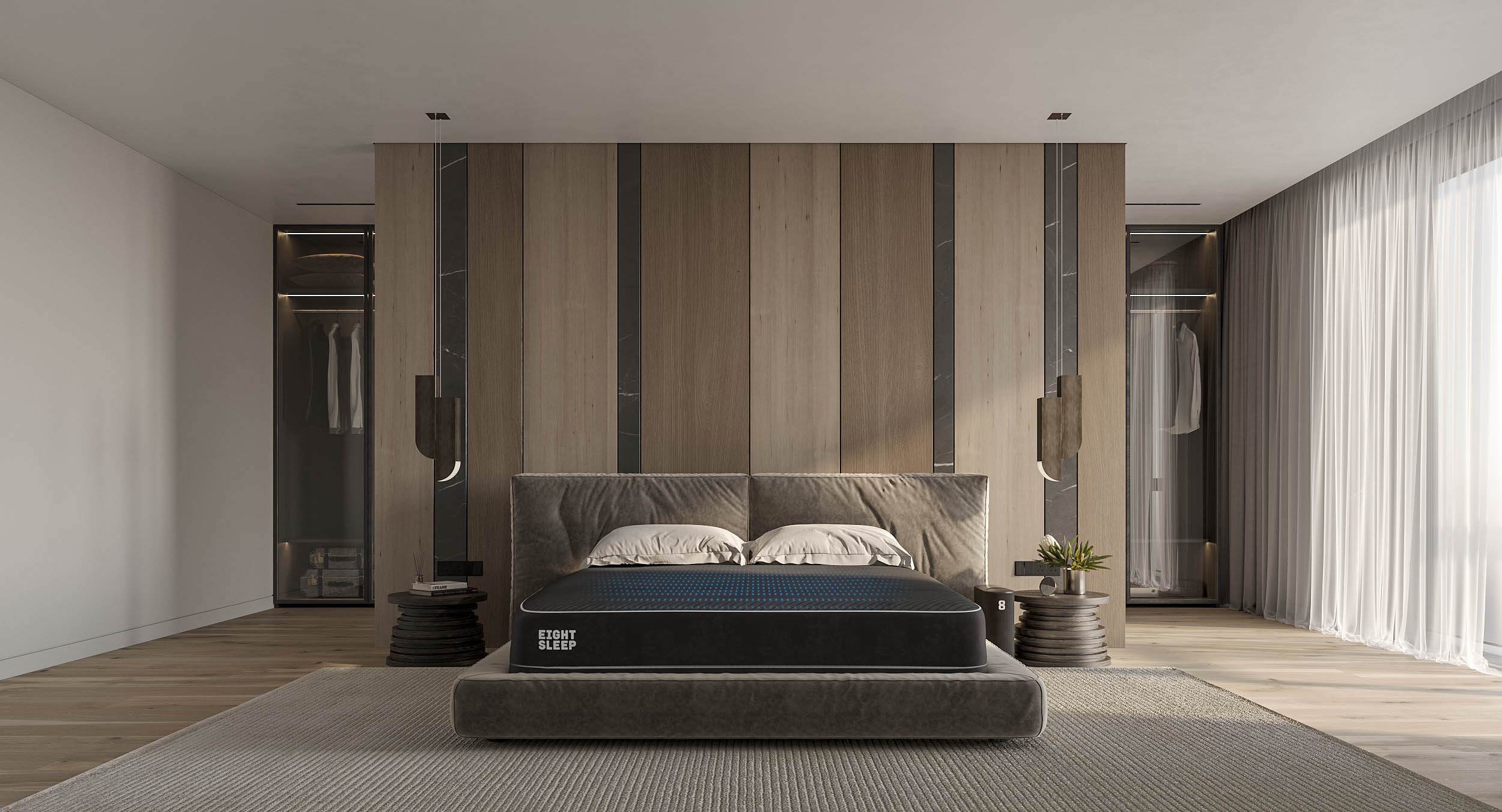
Image: Eight Sleep official site
The Pod 4 doesn’t just regulate bed temperature — it learns your body over time and adjusts in real time, even across the night. That matters because REM sleep and thermoregulation are tightly linked — and overheating is one of the top causes of fragmented sleep.
Key features:
- Dual-zone heating/cooling (13–43°C / 55–110°F)
- Tracks sleep, HR, respiratory rate
- Gradual warm alarm
- “Autopilot” mode based on past nights
It’s expensive and a bit bulky due to the water-based hub, but it may be the only system that actively solves temperature-related sleep disruption — not just tracks it.
- Pros
✅ Active thermal intervention
✅ Smart zone control
✅ Works with any mattress - Cons
⚠️ High cost
⚠️ Requires external unit
⚠️ Ongoing subscription fees
Price: $2,295–3,395 + subscription
5. Hatch Restore 3
Sunrise for your senses — and your schedule
Best for: Routine builders, circadian rhythm support, screen-time reduction
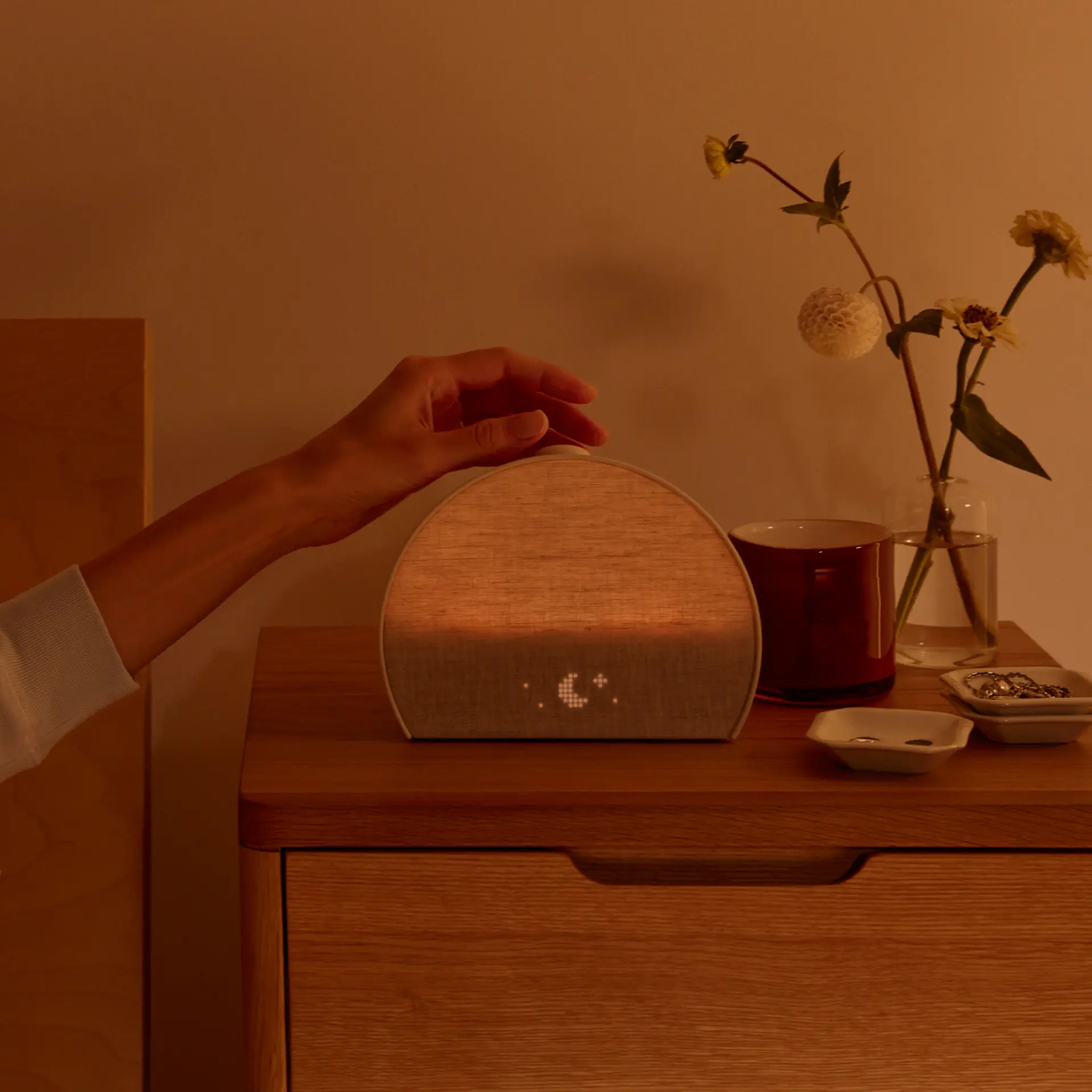
Image: Hatch official site
Restore 3 blends a sunrise lamp, sound machine, and sleep content platform — designed to reduce screen use and gently guide you into and out of sleep.
Its circadian lighting simulates gradual sunrise (18 colors available), with guided routines that support wind-down, sleep, and morning activation. It’s phone-free, customizable, and backed by substantial research into light therapy’s role in circadian regulation.
- Pros
✅ Mimics natural light cues
✅ Phone-free design
✅ Library of meditations and routines - Cons
⚠️ Subscription needed for full library
⚠️ Light may be too gentle for some
Price: ~$170
Science Snapshot: Why These Work
The top sleep gadgets in 2025 don’t just track sleep — they interact with it. Here’s what makes them effective:
- HRV (Heart Rate Variability): A key predictor of sleep quality and future health risks, from depression to stroke. Devices like Oura and SmartGoggles track or respond to HRV patterns.
- Light Therapy: Precisely-timed light can shift your internal clock and improve sleep and alertness. Restore 3 is built around this.
- Temperature Control: REM sleep suppresses internal thermoregulation, making external adjustment crucial. Pod 4 tackles this with dynamic cooling.
- Vestibular Stimulation: Emerging as a safe, non-drug intervention for insomnia, as seen with Modius Sleep.
Our Take
These devices aren’t magic — but they are meaningful. What sets them apart is clinical validation, focus on root causes, and design that respects your body’s natural rhythms.
They don’t replace good sleep hygiene. They support it. In a time where burnout is endemic and deep rest is elusive, that support can make a world of difference.
Where to Learn More
- Top Smart Gadgets for Sleep, Work & Wellness (2025 Picks)
- Official Website for Each Gadget — Therabody, Modius, Oura, Eight Sleep, Hatch (links above)
Stay grounded. Sleep deeper. Let technology work gently, not loudly.
References
We believe in transparency. Every claim and data point in this article comes from independent, peer-reviewed research or official clinical studies. Below are the primary sources used:
- Sleep Disorders Statistics – SingleCare, 2025
- National Sleep Foundation 2025 Report – NSF Sleep in America® Poll (PDF)
- Global Sleep Survey (2024) – ResMed, GlobeNewswire
- Wellness Trends & Sleep Anxiety – Global Wellness Institute
- Market Growth Forecast – Global Market Insights, Sleep Disorder Market Report
Therabody SmartGoggles
Modius Sleep
Oura Ring Gen 4
Eight Sleep Pod 4
Hatch Restore 3
- Hatch Official Store
- Business Insider Review
- Light Therapy Meta-Review – PubMed
- Frontiers Study: Circadian Phase-Tailored Light
Scientific Foundations
- HRV & Sleep Quality – Journal of Education, Health and Sport
- HRV as Stroke & Depression Predictor – News Medical
- EEG Sleep Staging Accuracy – Journal of Clinical Sleep Medicine